Asin Tibuok Matcha Latte: The Bohol Sea Salt in Your Cup
Published · By Lavande Nails & Café
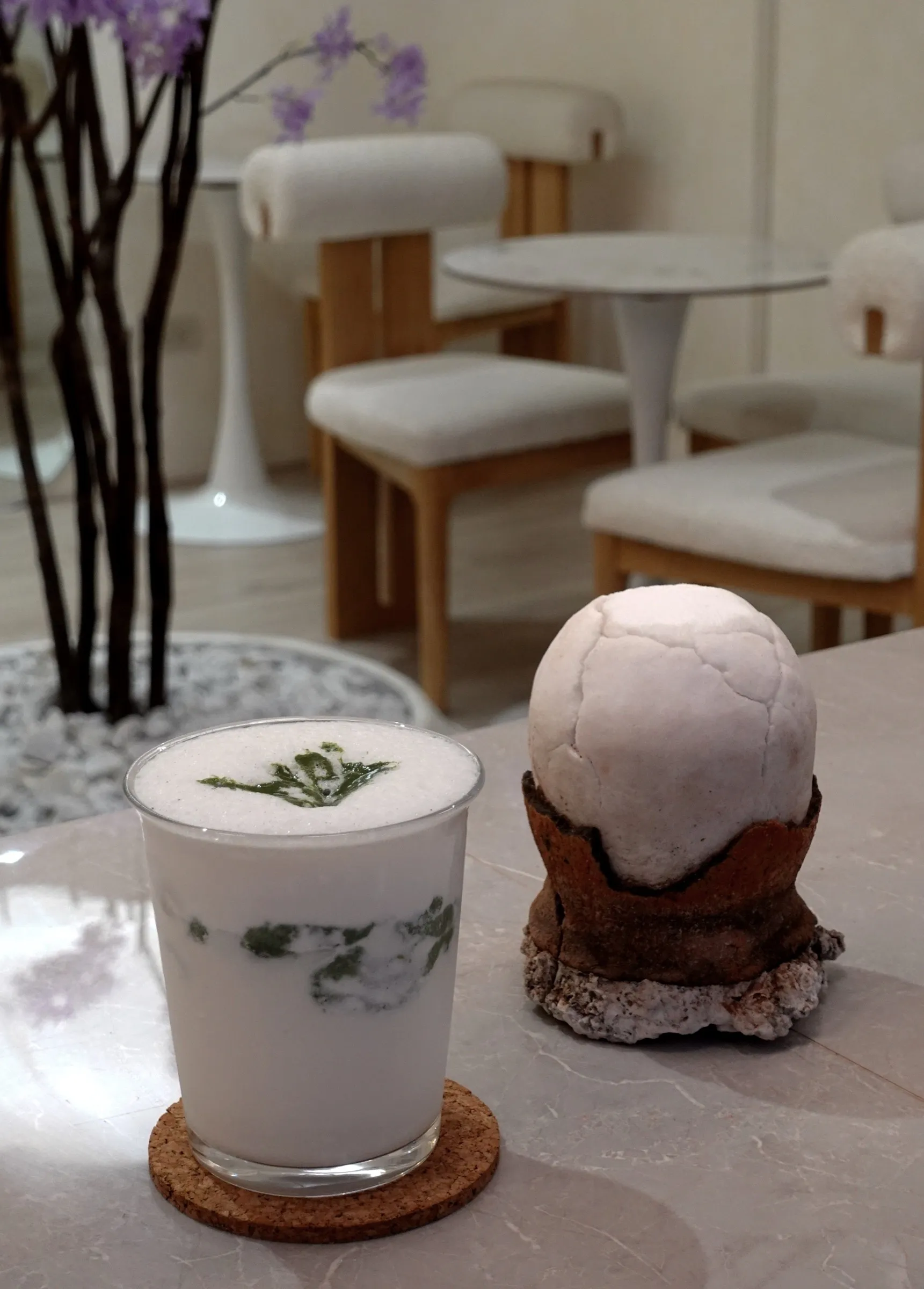
An Asin Tibuok Matcha Latte is ceremonial-grade matcha and steamed milk, finished with a grating of asin tibuok, a smoked sea salt made by hand in Bohol. At Lavande Nails & Café in Legazpi Village, Makati it costs ₱500, and the salt is grated over your drink at the counter.
What asin tibuok is
Asin tibuok comes from Alburquerque, a coastal town in Bohol. The name is Cebuano for “whole salt” or “unbroken salt”, and the method is centuries old.
Making it takes months. Coconut husks are soaked in seawater until they are saturated with salt, then dried and burned slowly into ash. Seawater is poured through that ash to draw out a strong brine. The brine is ladled into small clay pots set over a fire and boiled down, again and again, until each pot is filled with a solid white dome.
The heat cracks the pots. What comes off the fire looks like an egg in a broken shell, which is why you will sometimes hear it called “dinosaur egg” salt.
Only a few families still make it. The Slow Food Foundation lists asin tibuok in its Ark of Taste, a catalogue of traditional foods at risk of disappearing.
Why put it on matcha
Salt and bitter flavours have a useful relationship. A small amount of salt mutes bitterness and lets sweetness come forward. It is the reason salted caramel works, and the reason some people put a pinch of salt in coffee.
Matcha is naturally a little bitter and grassy. Asin tibuok is smoky and mineral, less sharp than table salt. Grated over a matcha latte, it rounds off the bitter edge and leaves a faint savoury note after each sip. You taste matcha, then milk, then something you cannot quite place. That last part is the salt.
How it is made at Lavande
- The matcha is ceremonial grade, whisked to order in a bowl with a bamboo whisk. It is never made in advance.
- The milk is your choice of full cream, oat, soy or coconut, at the same price.
- The salt is grated from the block at the counter, in front of you, just before the drink is served.
If you prefer coffee, the Asin Tibuok Latte uses the same salt and costs ₱300.
How to drink it
Stir once, from the bottom, so the salt is not all in the first sip.
It goes well with something plain and buttery from the pastry counter. A croissant is a better partner than a very sweet dessert, which would hide the salt.
Come for the drink, or the drink and your nails
The café at Lavande has its own seating and its own menu, so you can come in only for a matcha. If you are booking a manicure, arrive fifteen minutes early and start here. The café menu has the rest of the drinks, and you can book a nail appointment online.
On this topic
Common questions.
What is asin tibuok?
Asin tibuok is a traditional sea salt from Alburquerque, Bohol in the Philippines. Seawater is filtered through the ash of burned coconut husks and boiled in small clay pots until it forms a solid dome of salt. The name means whole or unbroken salt in Cebuano.
What does an asin tibuok matcha latte taste like?
It tastes of matcha and milk first, with a smoky, slightly mineral saltiness at the end. The salt softens the bitterness of the matcha and makes the sweetness clearer, the way salt does with caramel or chocolate. It does not taste salty the way a savoury drink would.
Where can I try an asin tibuok matcha latte in Makati?
At the café inside Lavande Nails & Café, 2nd floor, Manila Bankers Prosperity Tower, 110 Legazpi Street, Legazpi Village, Makati City. The café is open Tuesday to Sunday from 10 AM to 8 PM. You do not need a nail appointment to order.
How much is the Asin Tibuok Matcha Latte at Lavande?
The Asin Tibuok Matcha Latte is ₱500 and the Asin Tibuok Latte is ₱300. Full cream, oat, soy and coconut milk are available at no extra charge.
What is ceremonial-grade matcha?
Ceremonial grade is the term for matcha made from the youngest tea leaves and meant to be whisked and drunk on its own, not baked into food. It is smoother and less bitter than culinary matcha. At Lavande each matcha is whisked to order in a bowl with a bamboo whisk.
Why is asin tibuok called dinosaur egg salt?
Because of how it looks. The salt sets as a white dome inside a small clay pot, and the pot cracks open during firing. The result looks like an egg sitting in a broken shell, which earned it the nickname.
Keep reading
More from the journal.
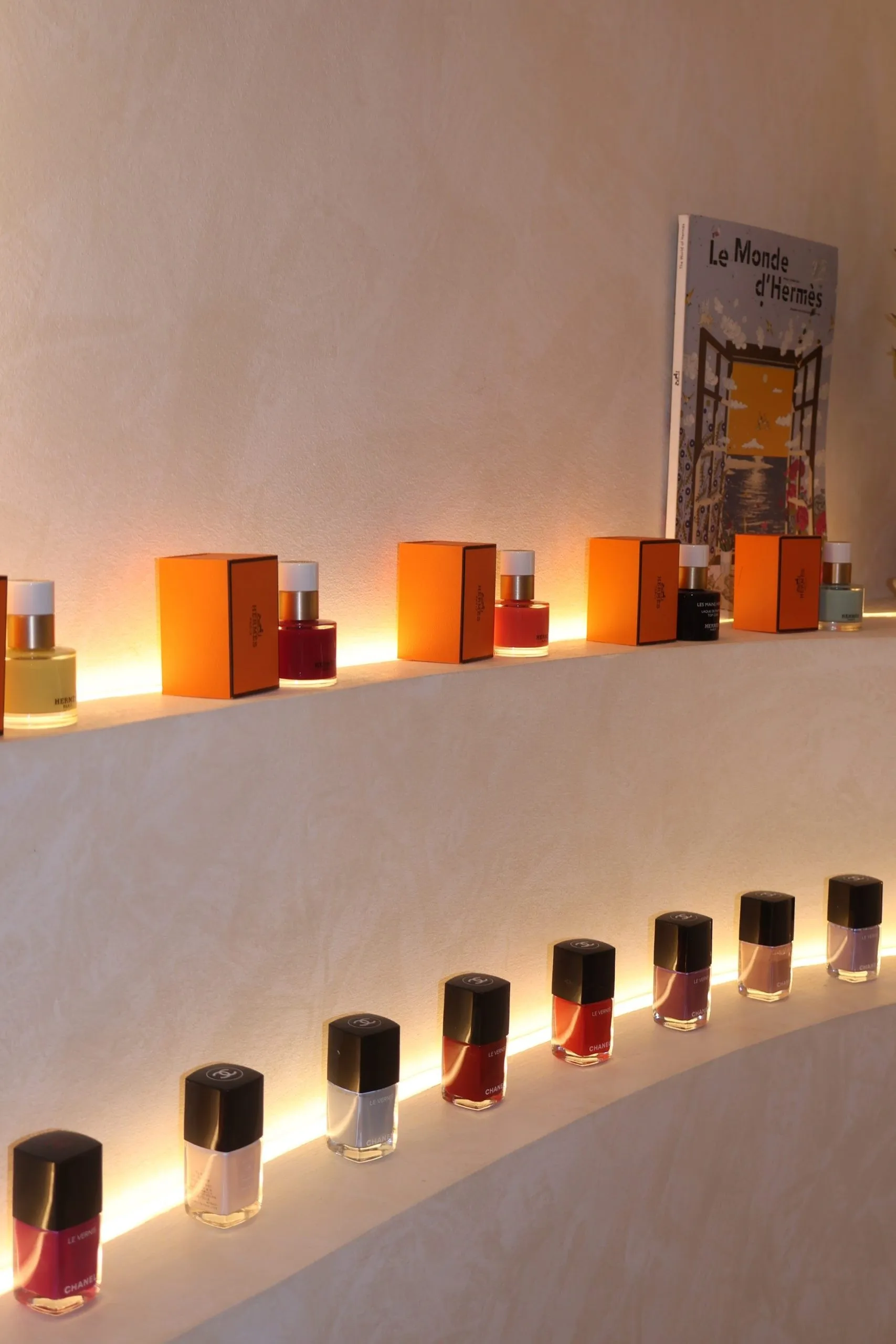
Hermès and Chanel Nail Polish in Makati: What a ₱2,300 Manicure Includes
Lavande in Legazpi Village does regular polish manicures with Hermès and Chanel nail polish for ₱2,300. What you get, how long it lasts, and when gel is the better choice.
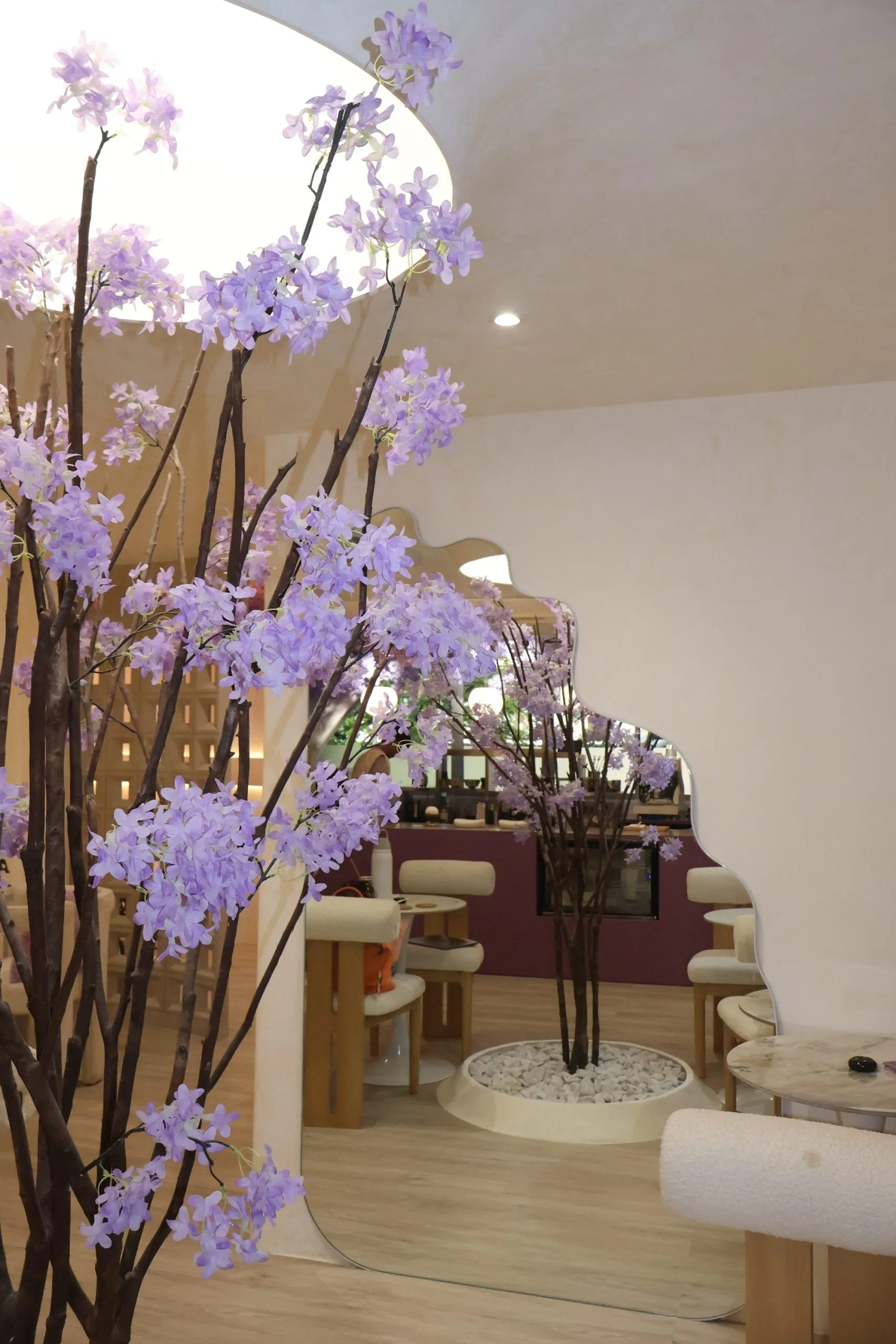
What Is a Nail Café? How It Works and What a Visit Costs
A nail café is a nail salon and a specialty café in one space. Here is how a visit works at Lavande in Legazpi Village, Makati, how long it takes and what it costs.